
November 17, 2021 10:40 a.m.
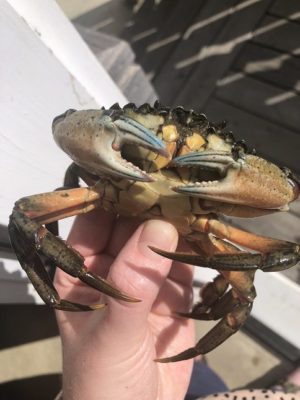
Growing European green crab populations throughout Coos Bay are likely to impact Dungeness crabs and coastal habitat, according to a new report from researchers at the South Slough National Estuarine Research Reserve. https://www.oregon.gov/dsl/SS/Documents/Green_Crab_report_2021_Coos_Bay_SSNERR.pdf
A release from the Oregon Department of State Lands said the report, which is part of an ongoing study by scientists at the South Slough Reserve and Oregon State University, found numbers of invasive green crabs continue to climb. Between June and September of 2021, researchers trapped and sampled crab populations daily at 13 sites around Coos Bay. On average, 73.3 percent of crab species trapped each day were green crabs.
Dr. Shon Schooler, lead scientist and research coordinator at the South Slough Reserve, said, “Green crab numbers have reached a critical point where we can begin to expect negative impacts on surrounding coastal and estuarine habitat and other organisms”. He said the turn may impact local fisheries.
The release said green crabs dig up and eat eelgrass meadows, destroying the seagrass many organisms rely on for food and shelter. They also displace juvenile Dungeness eels from habitat where they shelter and feed, leaving Dungeness vulnerable to predators. Additionally, green crab preys on clams, oysters, and mussels, reducing populations of these bivalves.
ODSL said coastal residents and visitors can help reduce the environmental impacts of green crabs by catching and removing this invasive species from coastal waters. Reserve researchers also released a culinary guide with information about preparing and cooking green crabs, including compiled recipes for green crab soup stock, risotto, and more. https://www.oregon.gov/dsl/SS/Documents/GreenCrabManagement_CulinaryGuide.pdf