
February 5, 2025 3:30 a.m.
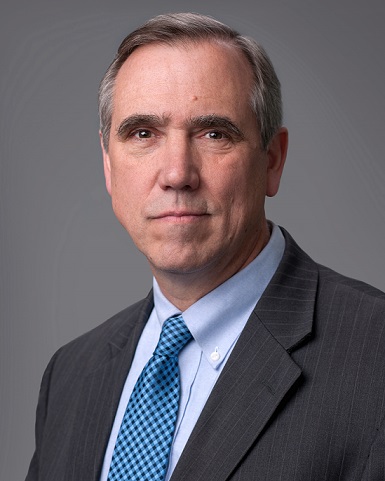
Oregon’s U.S. Senators Ron Wyden and Jeff Merkley along with Idaho Republican Senators Mike Crapo and Jim Risch, and 17 other Senate colleagues have reintroduced bipartisan legislation that would reauthorize the Secure Rural Schools and Self-Determination Program.
A joint release said it is administered for counties hosting both U.S. Forest Service and Bureau of Land Management forested lands and would be in effect through fiscal year 2026.
Wyden said, “This is urgent business for Oregonians living and working in counties that have long depended on millions of dollars from these federal funds for local schools, roads, law enforcement and more”. Wyden said, “I’m glad this bill is being reintroduced right at the start of this new Congress in this bipartisan spirit, and I strongly urge our House colleagues to act with the same urgency and bipartisan ethic to reconnect this proven lifeline ASAP for rural communities and nationwide”.
Merkley said, “Our bipartisan bill provides reliable funding that is crucial to keeping schools and libraries open, maintaining roads, restoring watersheds, and ensuring there are police officers and firefighters to keep rural communities safe”. Merkley said, “Congress must swiftly pass the bill to extend the SRS program so rural communities can maintain access to these important lifelines and resources”.
The four lawmakers introduced the legislation in the 118th Congress and the Senate unanimously passed it in November 2024. It did not receive a vote in the U.S. House of Representatives before the end of that session of Congress. The release said the program needs to be reauthorized as soon as possible to avoid a gap in funding for rural counties that rely on the program for much-needed services,
Congress enacted SRS in 2000 to financially assist counties with public, tax-exempt forestlands. The U.S. Forest Service and the U.S. Bureau of Land Management administer the funds. The totals are based on a formula including economic activity, timber harvest levels, and other considerations that vary from county to county.